
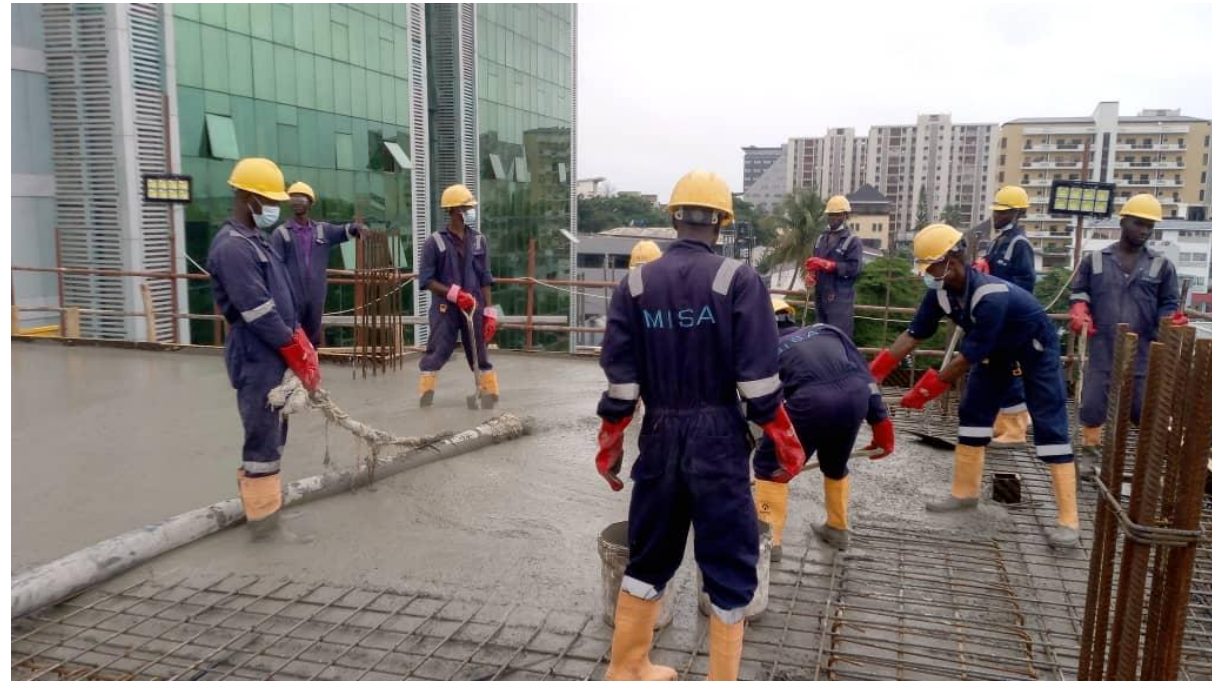
Many aspiring property developers underestimate the complexity of the real estate development process. Building a house in Nigeria involves far more than purchasing land and hiring contractors. From obtaining building approvals in Lagos to managing construction costs, regulatory compliance and professional planning are critical to a successful project.
Every location has specific planning regulations. Certain areas in Lekki, for example, restrict how many floors a building can have. Others specify setbacks, parking requirements, drainage provisions, and land-use classifications.
Before construction begins, proper approvals must be obtained from agencies such as:
- Lagos State Physical Planning Permit Authority
- Lagos State Building Control Agency
An architect prepares the architectural drawings, which are then submitted for approval alongside other technical documents.
Environmental considerations are also reviewed, including:
- Proximity to drainage channels
- Flood-risk exposure
- Nearby power lines or infrastructure
- Traffic impact
- Tree removal requirements
- Sewage and waste management systems
Without proper approval, a project risks stop-work notices, sealing, fines, or even demolition.
The Pre-Construction Stage: What Happens Before the First Block Is Laid
One of the biggest misconceptions about construction is that work begins immediately after purchasing land. In reality, a significant amount of planning, verification, and regulatory compliance must take place before any physical activity can begin on site.
Depending on the nature and location of the project, developers may need to obtain the following approvals:
Land title verification
Survey plan confirmation
Excision or Governor’s Consent verification (where applicable)
Architectural approval
Structural drawing approval
Development permits and building control approvals
Environmental impact clearances (where required)
Drainage and utility approvals
Fire safety clearance
Waste management approvals
Estate or neighborhood development permits
Construction signage permits (where applicable)
Only after these approvals have been secured should site mobilization begin.
A typical pre-construction sequence often follows this order:
Land acquisition and due diligence
Survey and soil investigation
Architectural and engineering design
Submission for approvals
Approval issuance
Site mobilization
Sand filling and ground improvement
Foundation works
Structural construction
Mechanical, electrical and plumbing installations
Finishing and external works
Testing, commissioning, and occupancy
Failure to obtain the necessary approvals can lead to stop-work orders, fines, demolition notices, project delays, financing challenges, and difficulties when attempting to sell the property.
3 Comments
This is exactly what i was looking for, thank you so much for these tutorials
It would be great to try this theme for my businesses
What a nice article. It keeps me reading more and more!